

How to Choose the Best Gas Patio Heater
In contrast to electric patio heaters, which require electricity and can be expensive to operate gas models run on propane. They can also explode during hot days or consume a tank in a short time.
Look for heaters with an elongated design that connect to standard propane tanks and that produce 40 000 Btu. These will typically warm larger areas and more cold temperatures than tabletop or dome-top patio heaters.
1. Infrared
Infrared heating is a fantastic choice for patios, as it is efficient and warms both objects and people. It's also safe to touch, which is important when you're outside in the winter and you want to extend the comfort of your outdoor seating space for as long as you can.
When you are shopping for a patio heater, pay close attention to the Btu output. It is a common measurement unit that determines how much power a heater draws. A greater Btu output usually means that the heater can warm your outdoor space quicker and more efficiently. If you reside in a colder climate or are planning to host guests, look for models that produce more than 40000 Btu to ensure you can keep everyone warm. The most efficient Btu output is usually located in pyramid- or dome-shaped patio heating units. This makes it possible to heat larger spaces and ensure that multiple people are comfortable at the same time.
The top infrared gas patio heaters come with many features, including remote controls and automatic shut-offs for tip-overs, that make them easy to operate and long-lasting. Some come with a cover to shield them from the elements. Anyone looking to enhance their patio with the ultimate in luxury can opt for an infrared gas heating system with an integrated LED lighting system that gives lighting that enhances mood and makes the space more welcoming.
If you're not interested in spending extra on an infrared gas heater for your patio, there are plenty of options that are affordable to choose from. For instance our Top Pick for the Best Value, which is the Bromic Heating Tungsten Infrared Patio Heater is a dependable and cost-effective model that generates a remarkable amount of heat. Its high, angled face is perfect for directing heat to your backyard seating area. The patio heater is fitted with wheels on the base of the stand, so you can easily move it around. It runs on both natural gas and propane.
Another option is the freestanding Modine OHP34S48 gas infrared patio heater, which has two heat settings as well as 360deg oscillation. It also has a sturdy construction. This model is great for those who have a natural gas line in your backyard. It can be connected directly to the gas supply at your home so you will never be unable to refill.
2. BTU
A majority of gas patio heaters have a high output of heat, which makes them ideal for large outdoor spaces. However, the amount of heat a patio heater provides depends on its size, location and other elements which is why it's crucial to consider all of the variables before choosing one.
The BTU rating of a patio heater is a good method of determining its power. BTU stands for British Thermal Units and shows how much heat a heater is able to generate per hour. BTU ratings are given by the manufacturer and typically refer to the amount of square feet of space a heater can comfortably warm in ideal conditions. You can also calculate the number of BTUs a patio heater needs by multiplying the area of your patio by the desired temperature increase.
Natural gas and propane are the most popular fuels for patio heaters. types because they provide a significant amount of heat quickly and efficiently, which makes them an excellent choice for commercial venues or outdoor areas for homes with ample space. They are generally more expensive than electric heaters and may require frequent refilling or a cylinder replacement, but they're convenient because propane tanks can be found at a majority of gas stations and convenience stores.
Certain gas patio heaters come equipped with safety features to keep you and your guests safe while using them. Some include an automatic shut-off valve that stops the unit from overheating, and an electronic lighter to make it easier to ignite. Some models include a safety shield around the flame which reduces the chance of burning.
Some models of gas patio heaters come with attractive designs and their security features. Some models have a classic design with intricate details, perfect for an elegant outdoor setting. Others feature an earthy style with earthy tones natural materials, and a rustic vibe. These are great for a warm backyard. Some of our favorites have a flickering flame which can add to the beauty of your outdoor space.
3. Coverage
When considering the possibility of a gas patio heater it is crucial to consider its coverage. If you entertain guests regularly outdoors, you might be interested in a model with a large coverage area. This will allow everyone to enjoy the warmth without being too close to one another.
Height is another crucial factor in determining the amount of coverage for the patio heater. Taller propane patio heaters are more efficient than the shorter ones due to their ability to radiate heat in multiple directions. Thomas Bonfiglio, CEO of Triple T Hospitality, said that's one of the main reasons his New York and New Jersey restaurants opted for dome- and pyramid-top heaters for their outdoor dining areas. "They're really great at heating the entire area and keeping tables warm," he says.
The heat output of taller propane patio heaters could be affected by windy conditions. This is why it's crucial to select a model that has wind-resistant features.
Other things to take into consideration when choosing a gas patio heater are the power source and the method of installation. Gas patio heaters UK require a permanent connection to a gas line, whereas others are powered by a propane tank.
The type of fuel used also influences the cost of maintenance and repairs associated with the heater. Electric heaters are more affordable to run than propane alternatives. However, they take longer to heat and lack the power required to cover a large patio. In addition, they need to be kept away from combustible materials and can't be left unattended for long durations of time.
Propane heaters are more costly to run than electric models, but they produce a higher heat output. They can cover up to 215 square feet. They require an expert to install them and must be kept clear of the ignition of combustibles. They require a greater initial investment than their electric counterparts but they can be controlled remotely or via a timer.
4. Safety
It's important to consider the safety aspect when purchasing a patio heater. Many models come with anti-tip features such as an adjustable bottom that is weighted and a tilt shutoff valve that prevents the heater from tipping and creating a fire in your backyard. They also come with an integrated carbon monoxide detector as well as an alarms that turn the heater off in case of an CO leak. If you want to ensure that your patio heater is safe, search for CSA certification. This means it has been independently tested by an independent third party and has met safety standards for outdoor use.
Another feature to consider when selecting a gas patio heater is its overall style. There are a variety of styles to choose from. They include umbrella and pyramid models, and wall-mounted versions which are smaller, more discreet and easily blend in with your backyard or deck. There are various colors to pick from. The stainless steel and black are the most commonly used however some brands offer a variety of colors that will suit your style.
In terms of the fuel used gas patio heaters are often cheaper to run than electric models and can provide more heating for a larger area. However, they require some natural ventilation to function safely, which is why they're not suitable for small or enclosed spaces. Fortunately, a few manufacturers offer propane models that don't need to be hooked up to a gas line, and can run off standard 20-pound tanks just like your grill.
The top propane patio heating units have a simple, yet sturdy design. They are able to withstand the harshest weather. One model we tested for instance, is capable of enduring winds of up to 60mph, and its simple assembly process took less than an hour with only basic hand tools. It can hold any propane tank that weighs 20 pounds. The automatic tip-over shutdown ensures it will stop working if you fall over.
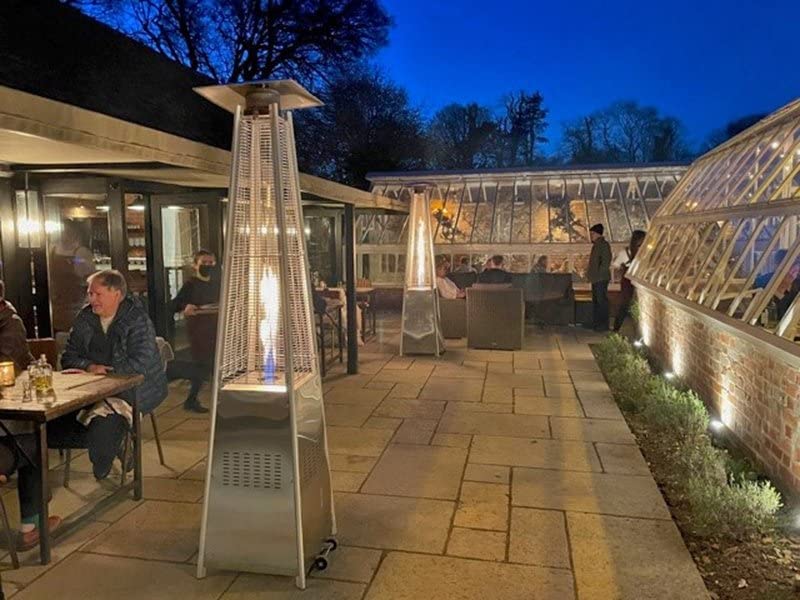
Other models on our list have additional safety features, for example a flame failure sensor that stops the flow of gas if the flame has been extinguished. Depending on where you reside you may choose a propane patio heat that has been approved by the local fire department, or is the UL safety certificate.